Campus hygiene systems.

Choose products by the job.
Answer five focused questions to narrow the job, size a practical basic set and identify the chemicals most likely to carry recurring usage.
Where will it be used?
Choose the area closest to the actual cleaning task. This helps narrow surface, soil and operating context.
What outcome do you need?
Select the job the product must perform. Choose the primary task rather than every task happening in the same room.
How demanding is the task?
Use soil load and control requirements—not room prestige—to describe the job.
How large is the campus operation?
Choose the closest operating scale. A larger or residential campus usually needs a broader core set than a single academic block.
Which operations run every day?
Select all that apply. We use these to identify the products most likely to see the highest recurring consumption.
The basic-set count is a recommended SKU starting point, not a litre forecast. Actual monthly volume depends on area, occupancy, cleaning frequency and working dilution.
Frequently used in education.
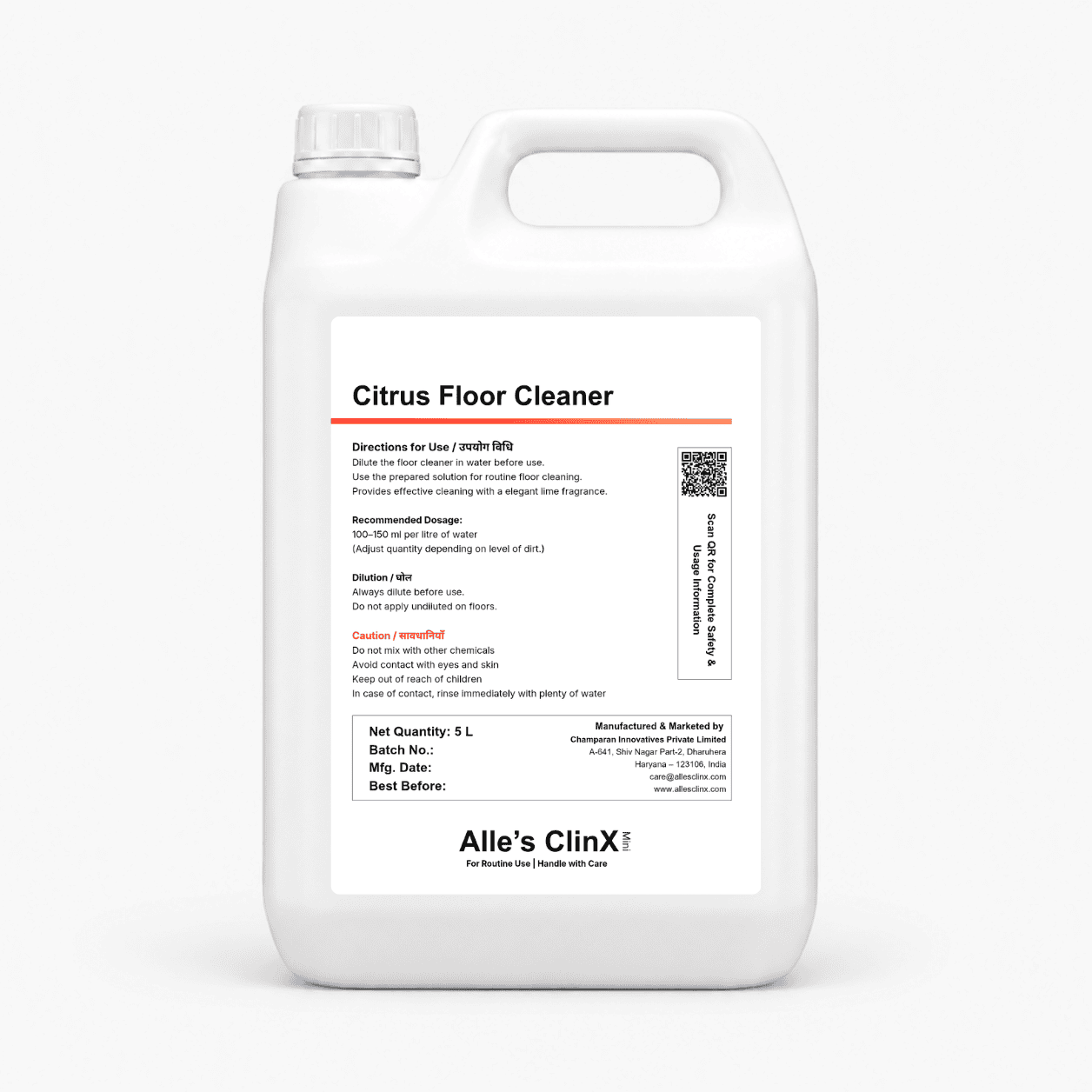

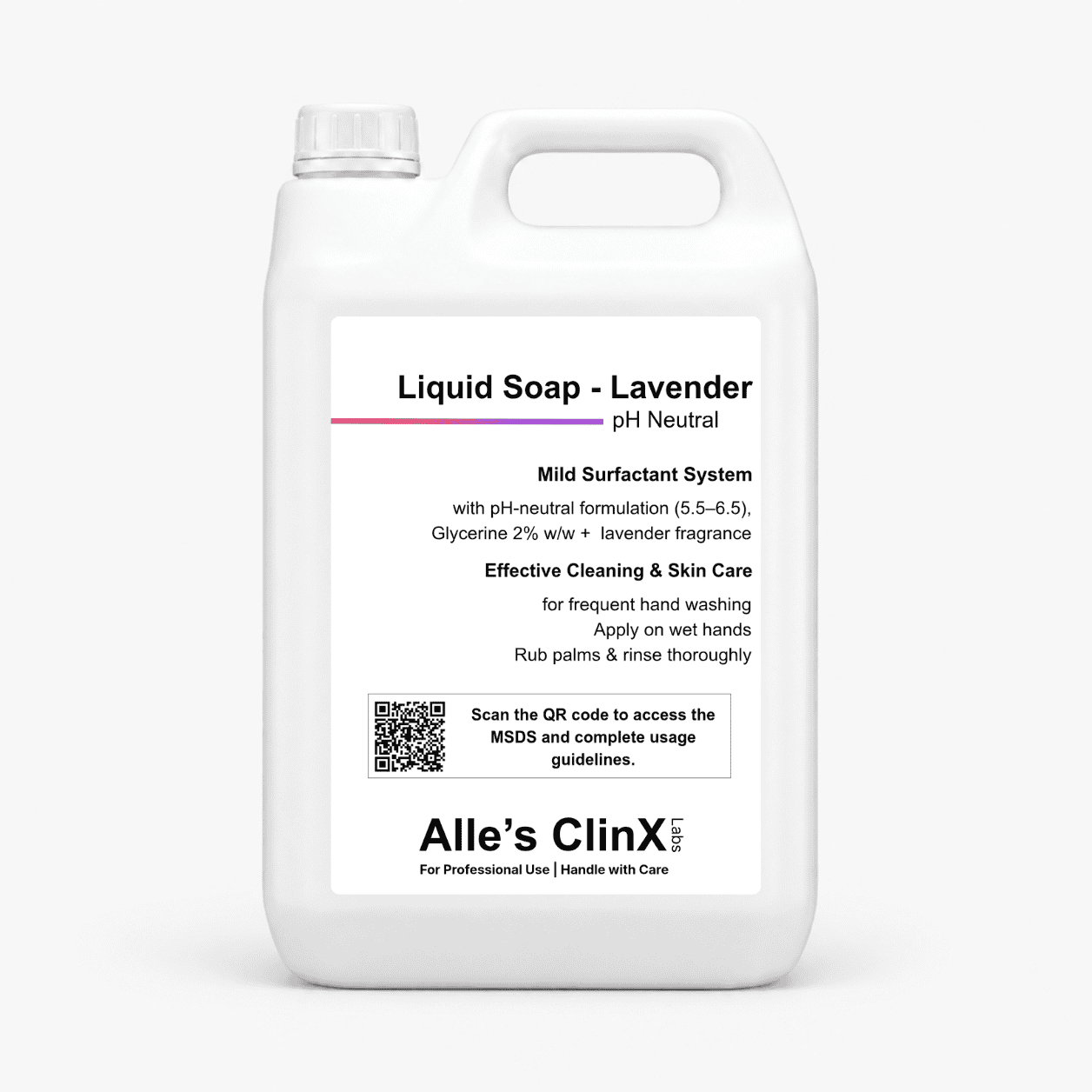
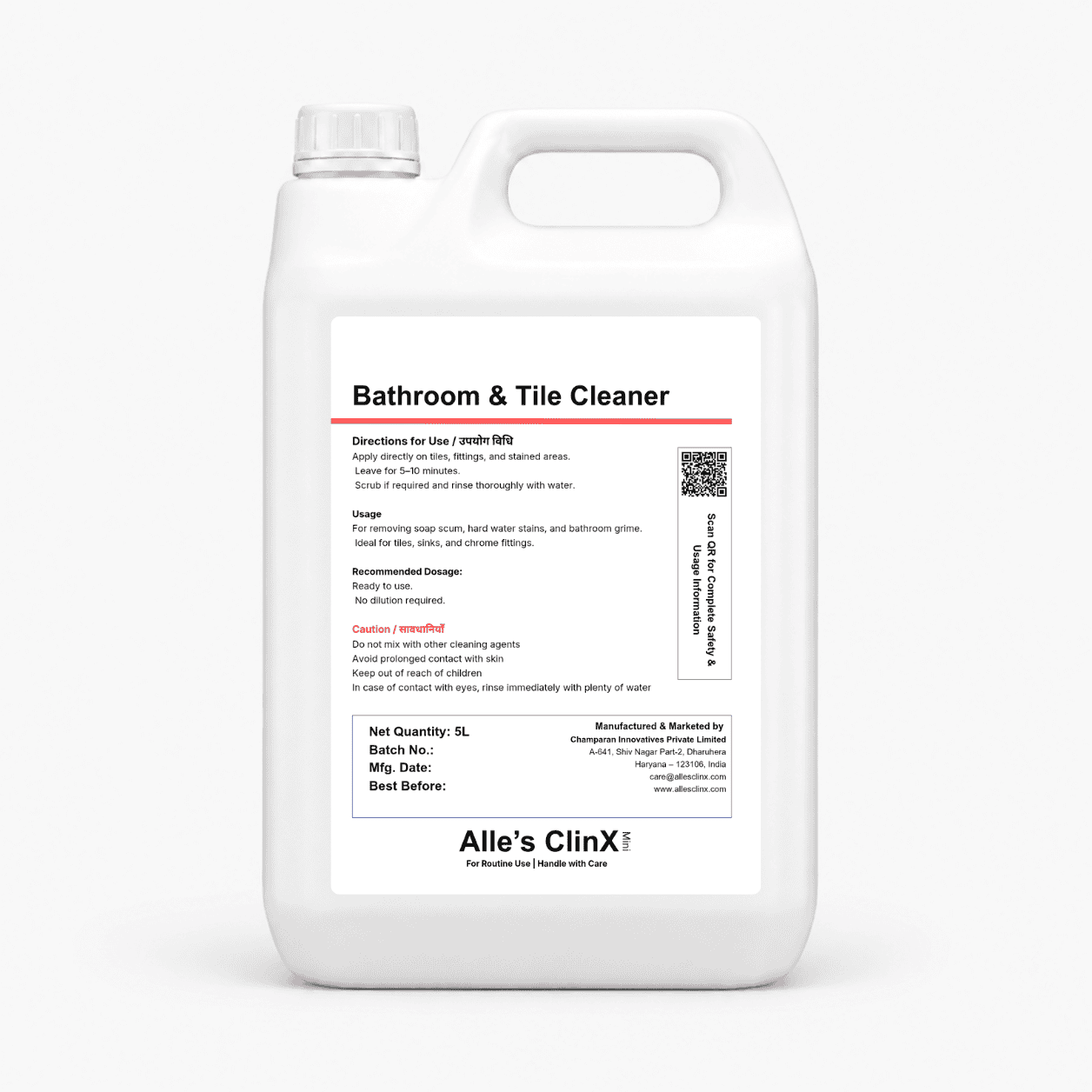
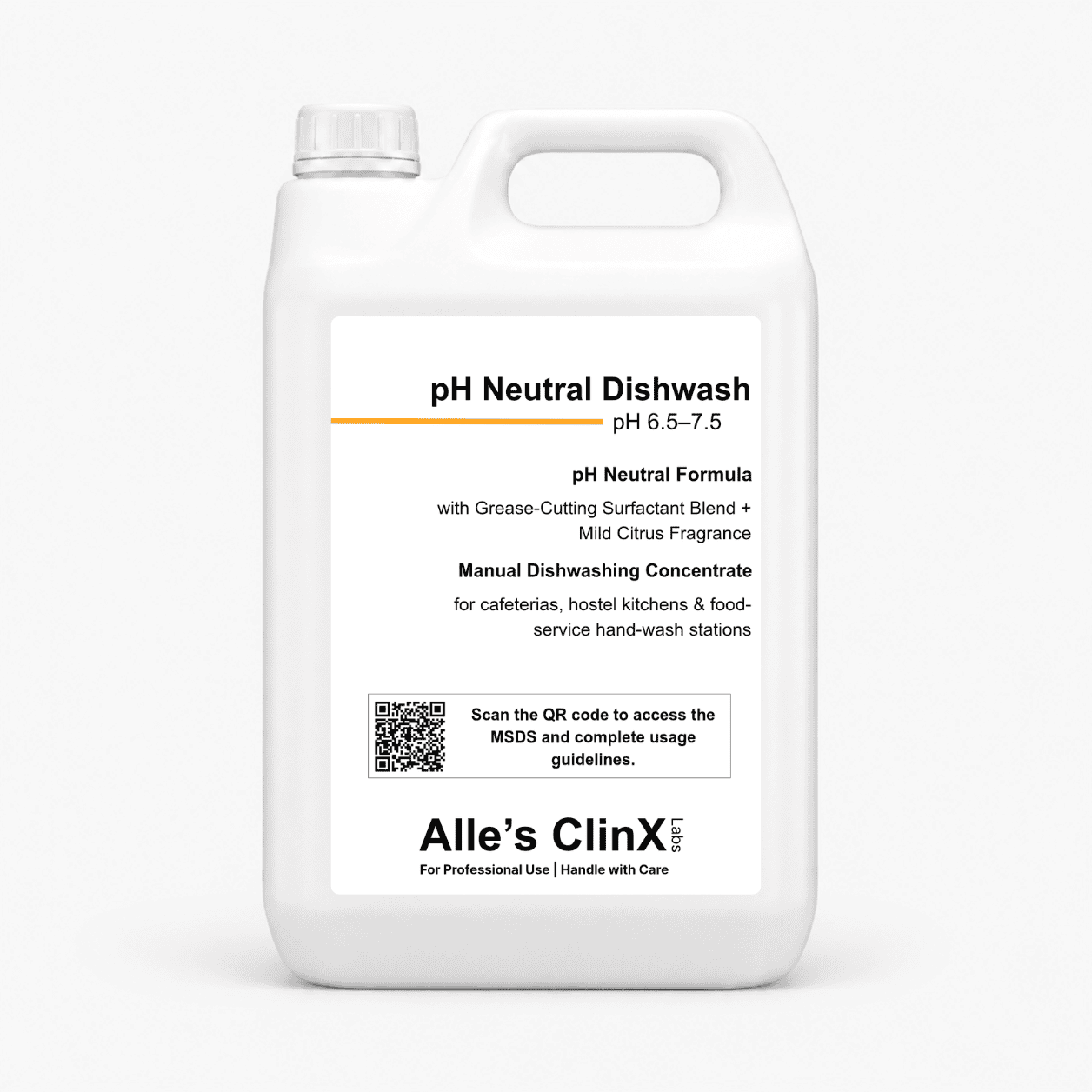
Product families.
Classroom & common areas
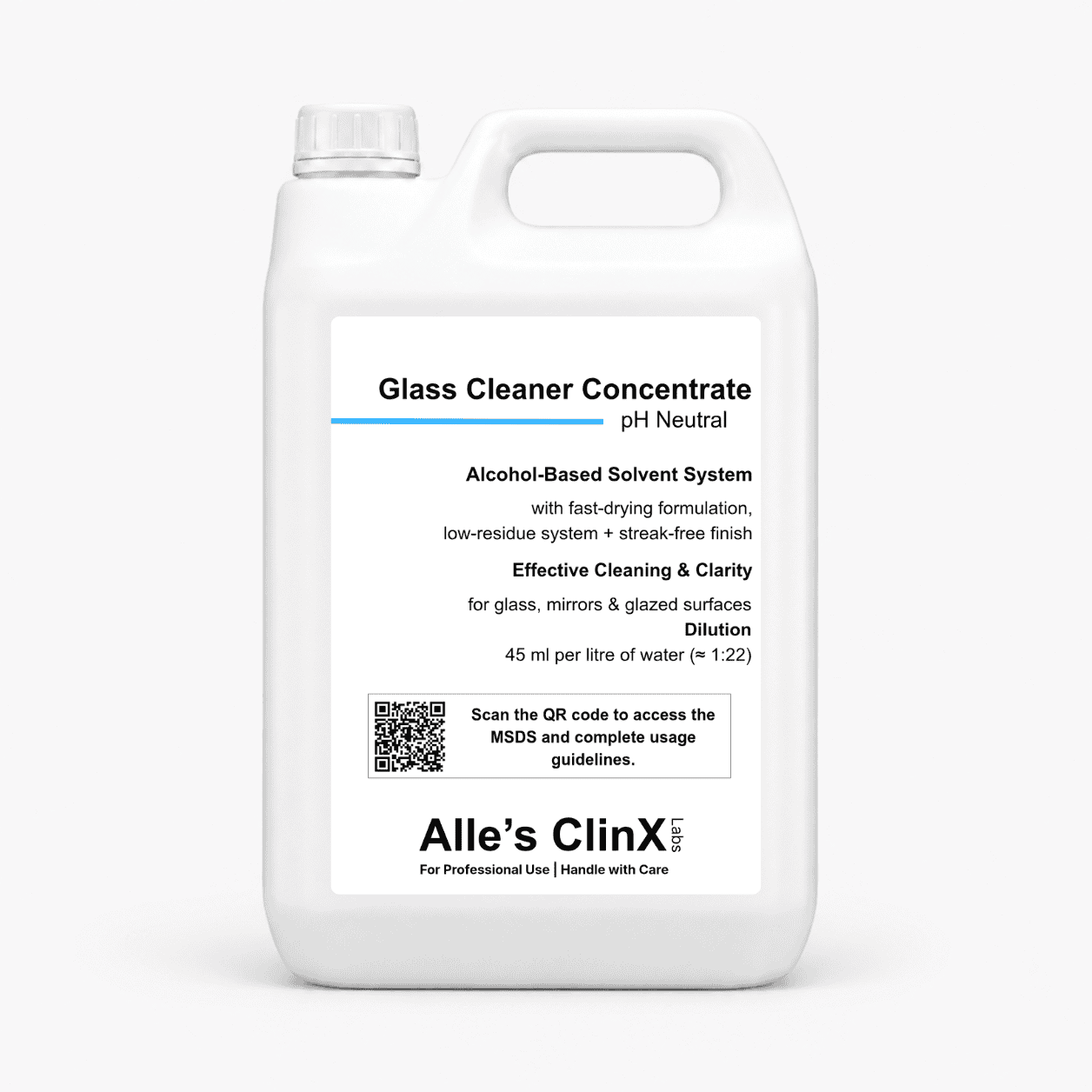
Floor, multisurface, glass and surface-disinfection options.
Washrooms
Bathroom cleaning, descaling and toilet-bowl care.
Hand hygiene
Institutional handwash and alcohol-gel options.
Cafeteria & kitchen
Dishwashing, grease-removal and metal-care products.
Hostel & laundry
Laundry detergent, bleach, softener and fabric care.
Labs & science rooms
Selected cleaning and specialist chemistry for controlled areas.
How we narrow the chemistry.
Task
Start with the job: clean, disinfect, descale, degrease, wash, polish or maintain.
Surface + soil
Match the chemistry to the substrate and the type or severity of soil actually present.
Product fit
Choose the smallest practical set that covers recurring work without unnecessary overlap.
Use pattern
Then plan dilution, frequency and recurring requirement from the approved product instructions.
After you choose a product.
Shop
Browse the full Alle’s ClinX range when you already know the product or want to compare adjacent options.
Metricon
Turn a product’s working ratio, usage pattern and facility load into practical consumption and procurement estimates.
Nova
Ask product questions against Alle’s ClinX’s own product information when the label does not answer the edge case.
Product questions facilities ask.
Which products fit everyday classroom cleaning?
For routine classroom work, start with floor, multisurface, glass and hand-hygiene products. Choose disinfection chemistry only where the campus procedure calls for it.
What should we use for hostel washrooms?
The range includes bathroom and tile cleaner, daily bathroom descaler, stronger limescale-removal chemistry and toilet-bowl cleaner. Match the product to the soil and surface.
Can one product set cover classrooms, hostels and cafeterias?
A campus normally needs a small set of task-specific products rather than one universal chemical. The finder can build starting recommendations by area and job.
Do you have products for cafeteria warewashing and grease?
Yes. The catalogue includes alkaline and pH-neutral dishwashing products plus heavier grease-removal options for kitchen and extraction-system tasks.
Which products are suitable for campus hand-hygiene stations?
The range includes institutional handwash, CHG clinical handwash for appropriate settings, and 70% alcohol hand-sanitizer gel. Choose according to the site’s hand-hygiene requirement.
Can Alle’s ClinX recommend a reduced campus SKU set?
Yes. Share the campus areas, cleaning frequency and current products, and the range can be narrowed to the tasks the facility actually performs.