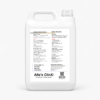
Description
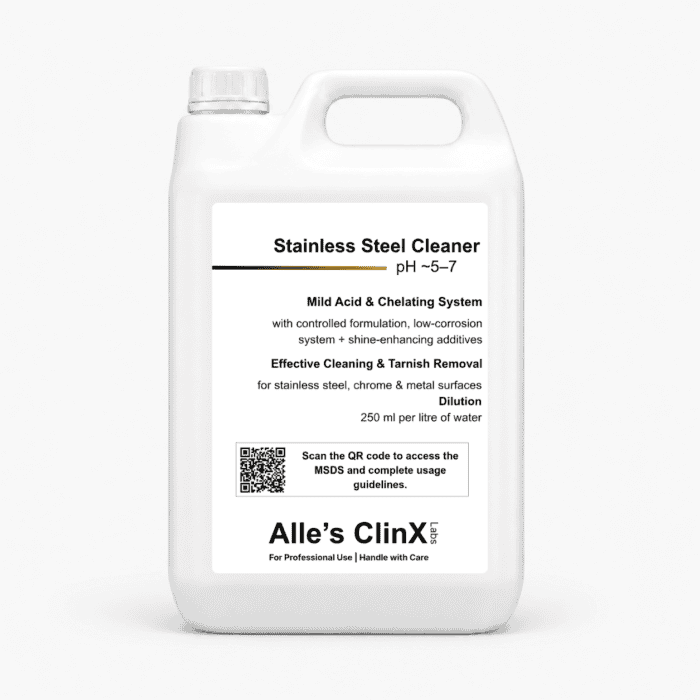
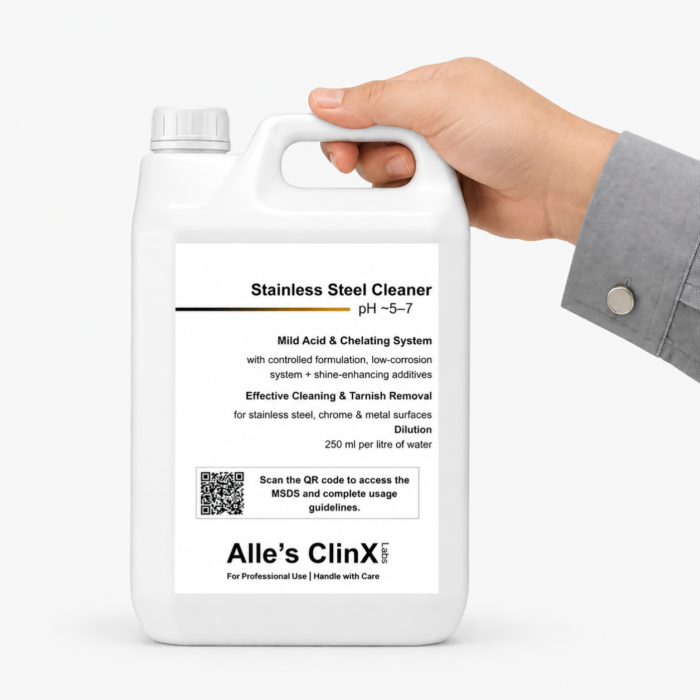
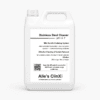
Best suited for. Mineral deposit removal from stainless steel, chrome, treated aluminium and compatible architectural metalwork.
Choose this when. You need a controlled mild-acid descaler for metal surfaces where heavy mineral scale is the main problem.
Choose another product when. You are cleaning copper, brass, reactive metals, or primarily dealing with heavy grease rather than scale.
Highlights
Mild acid chemistry. Uses mild-acid, non-abrasive chemistry for mineral-deposit removal; test substrate compatibility before full application.
Non-abrasive formulation. Preserves the passive chromium oxide layer on stainless steel that provides corrosion resistance — aggressive abrasive cleaning destroys this layer, accelerating long-term metal degradation.
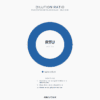
Variable descaling strength. Use approximately 100–250 ml/L according to mineral load and substrate; start low and increase only where scale severity requires it.
Food-contact rinse requirement. Thoroughly rinse food-contact metal surfaces with clean water after application before returning equipment to service.
Institutional substrate range. Stainless steel, chrome, and treated aluminium — the core metal surface types in healthcare, industrial, and educational catering facilities.
How to use & dilute
Light mineral film. Start at approximately 100 ml concentrate per litre of water.
Moderate scale. Use approximately 200 ml/L.
Heavier compatible deposits. Use up to approximately 250 ml/L after a substrate test, then rinse thoroughly—especially on food-contact metal.
Equipment & dispenser compatibility
Compatible equipment. Acid-resistant trigger sprayers or low-pressure pump sprayers, together with soft cloth or non-abrasive pad application.
Use conditions. Use dedicated acid-compatible containers, seals and spray components. Apply a controlled coarse spray rather than a fine mist.
Not intended for. Not intended for foggers, aerosol generators or equipment with wetted parts that are not rated for acidic cleaners.
The chemistry
Why does mild acid restore stainless steel brightness, and what is the passive layer that makes this possible? Stainless steel’s corrosion resistance depends on a passive layer — a microscopically thin (2–5 nm) film of chromium oxide (Cr₂O₃) that forms spontaneously on the steel surface when exposed to oxygen.
Usage economy
Working range. A 5 L pack can dose roughly 20–50 L of water across the 100–250 ml/L working range.
Use strength only where needed. Descaling is an intermittent corrective task, so dose should follow actual mineral load rather than a fixed everyday concentration.
Material check. Acid strength and dwell time should be checked on the actual stainless/chrome/treated-aluminium substrate.
Product specifications
Active system
Mild inorganic acid + surfactant — mineral deposit dissolution
pH
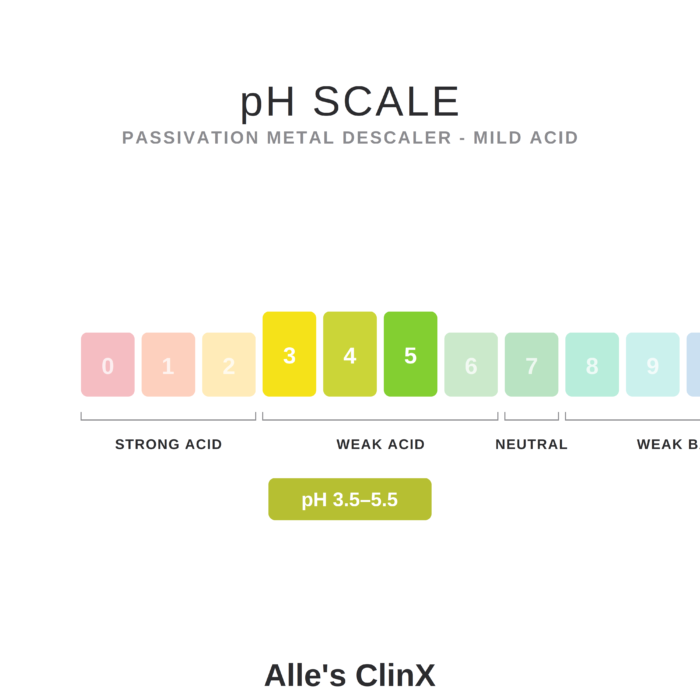
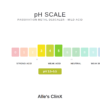
Mild acidic (3.5–5.5)
Specific gravity
1.02–1.05 at 25°C
Formulation type
Aqueous concentrate
Appearance
Clear to slightly amber liquid
Fragrance
Neutral
Dilution
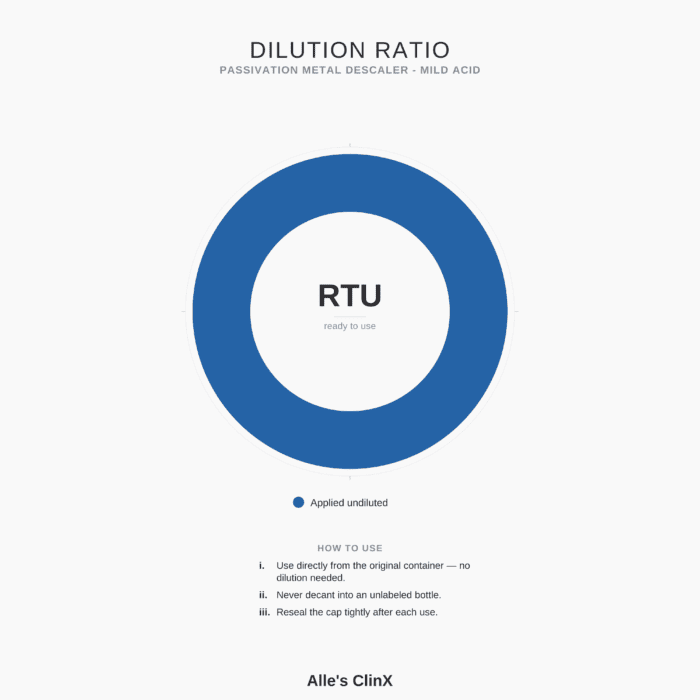
Approx. 100–250 ml/L depending on mineral load and substrate; start at the low end and check surface response before increasing strength.
Application
Soft cloth or spray — direction of metal grain
Typical compatible surfaces
Stainless steel, chrome, treated aluminium, architectural metalwork
Avoid on
Copper, brass, reactive metals — test before use
Rinse after use
Mandatory on food-contact surfaces — thorough water rinse
PPE
Gloves recommended
Shelf life
24 months from date of manufacture, unopened
Pack size
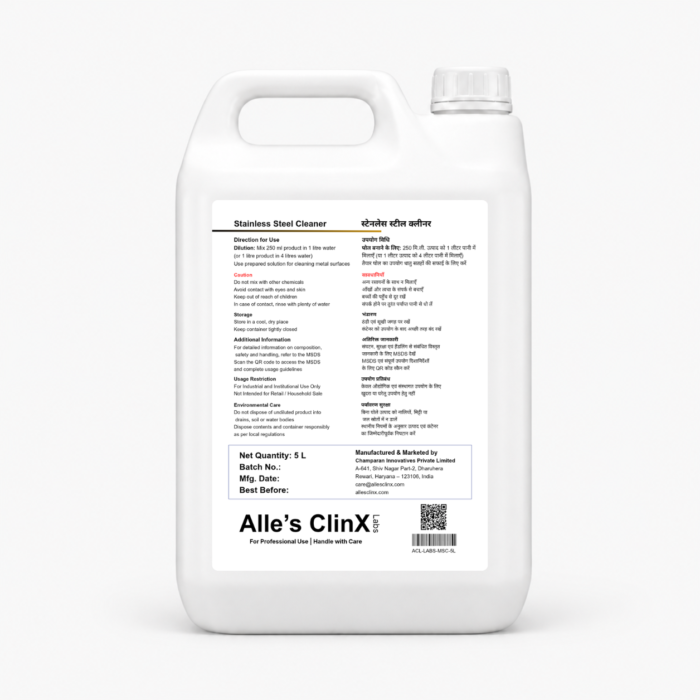
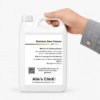
5 L concentrate
HSN Code
38109090
Manufactured by
Champaran Innovatives Private Limited, India
Caution & storage
Acid handling. Mild-acid concentrate; gloves are recommended and splashes to eyes or skin should be avoided.
Metal compatibility. Test first on reactive or decorative metals including copper, brass and unknown alloys. Never mix with chlorine products or strong alkalis.
Storage segregation. Keep tightly closed in the original compatible container and store separately from chlorine products, alkalis and incompatible metals.
Safety & procurement
Safety data / product-specific documentation. care@allesclinx.com
Bulk & institutional procurement. procurement@allesclinx.com